
Grain- oriented electrical steel (GOES) is a critical material in reactor core design. Its material properties directly affect reactor efficiency, noise level, size, and operational stability. In reactor applications, different types of GOESvarying in magnetic properties, thickness, coating, and processing—are selected to meet specific operating requirements.
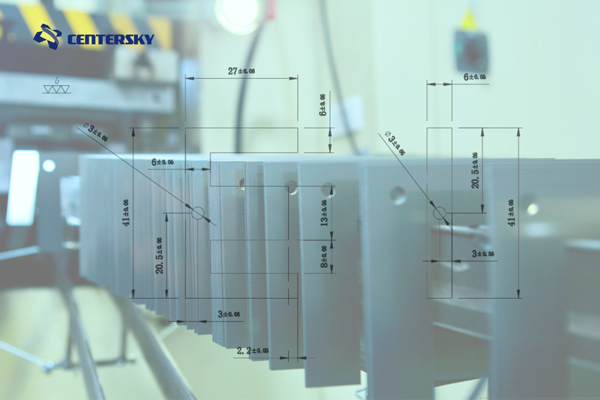
1. Conventional Grain-Oriented Electrical Steel (CGO)
Characteristics:
Exhibits good directional magnetic properties, with high permeability and relatively low core loss along the
rolling direction.
Applications:
Suitable for conventional reactor designs where energy efficiency requirements are moderate and cost
sensitivity is a key consideration.
Advantages:
Cost-effective, mature processing technology, and widely used in medium- and low-voltage reactors.
2. High Magnetic Induction Grain-Oriented Steel (Hi-B)
Characteristics:
Optimized grain orientation and inhibitor control based on CGO, resulting in higher magnetic flux density
(Bs) and reduced core loss.
Applications:
Used in high-performance, low-loss reactors, such as shunt reactors and filter reactors in ultra-high voltage (UHV) transmission systems.
Advantages:
Compared with conventional GOES, no-load loss can be reduced by more than 15%, significantly improving energy efficiency.
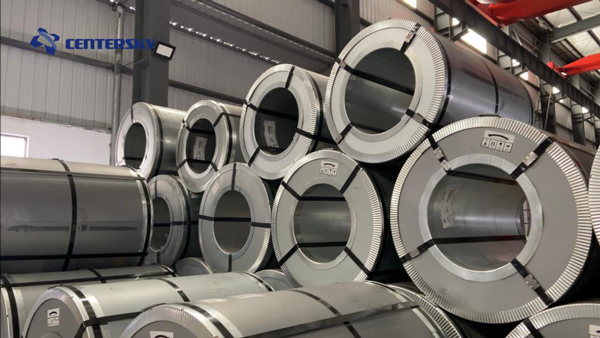
3. Laser-Scribed Domain-Refined Grain-Oriented Steel
Characteristics:
Surface scribing using laser (e.g., femtosecond laser) refines magnetic domain structures, further reducing
core loss and noise.
Applications:
Ideal for applications with strict noise and vibration requirements, such as urban substations and traction
reactors in rail transit systems.
Advantages:
Noise reduction of approximately 3–5 dB(A) and core loss reduction of over 10%. The scribing is heat-resistant, ensuring stable performance under high-temperature conditions.