
1. Performance Differences
The core advantage of a silicon steel motor lies in its iron core, which is made from silicon steel sheets (also known as electrical steel laminations). By incorporating silicon into the steel, core losses—specifically hysteresis loss and eddy current loss—are significantly reduced, thereby enhancing the motor’s overall energy efficiency. Silicon steel motors feature high magnetic permeability, enabling a more efficient conversion of electrical energy into mechanical energy. Their stability is particularly outstanding in applications involving frequent start-stop cycles or fluctuating loads. Furthermore, silicon steel offers strong corrosion resistance, which helps extend the motor’s service life and makes it well-suited for operation in humid or corrosive environments.
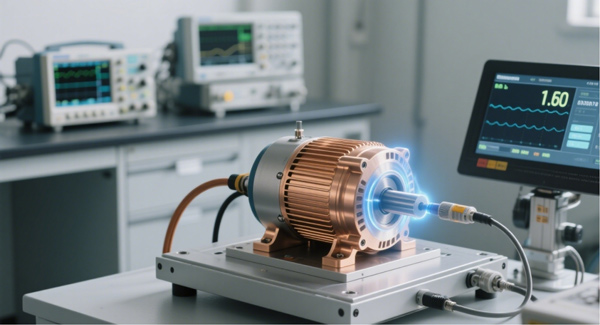
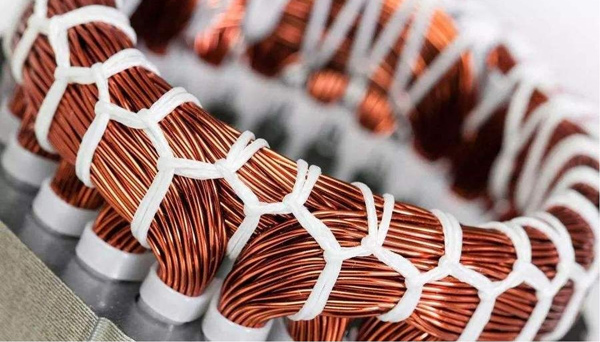
In contrast, a pure copper motor centers around copper windings. Because copper offers superior electrical conductivity compared to aluminum—specifically 1.6 times that of aluminum—pure copper motors exhibit lower electrical resistance, reduced heat generation, and higher energy conversion efficiency. Under continuous high-load operating conditions, they maintain a lower temperature rise, minimizing performance degradation caused by overheating. This makes them ideal for equipment requiring long-term, stable operation, such as industrial production lines and large-scale ventilation systems.
2. Cost Comparison
The cost of a silicon steel motor is primarily driven by its core materials and manufacturing processes. Silicon steel laminations must undergo complex procedures such as stamping and stacking; the higher the silicon content, the higher the cost. Nevertheless, the overall material cost remains lower than that of pure copper. According to the latest market data on B2B platforms, small-to-medium-sized silicon steel motors typically retail between RMB 500 and 3,000 (approx. $70–$420), depending on power ratings and specifications.
In contrast, the cost of a pure copper motor is heavily influenced by copper price fluctuations. With current copper prices hovering around RMB 70,000–80,000 per ton (approx. $9,800–$11,200), the manufacturing cost of pure copper windings is relatively high. Market prices for small-to-medium-sized pure copper motors generally range from RMB 800 to 5,000 (approx. $110–$700), while high-power models can exceed RMB 10,000 (approx. $1,400). Although pure copper motors can offset some electricity expenses over long-term operation due to their superior energy efficiency, the higher initial procurement cost remains an important factor to consider.
3. Application Suitability
Silicon Steel Motors: Best suited for applications with moderate energy-efficiency requirements that involve frequent start-stop cycles or fluctuating loads—such as household appliances (washing machines, air conditioners) and small industrial equipment. Their strong corrosion resistance also makes them a preferred choice for outdoor or humid environments.
Pure Copper Motors: Better suited for heavy-load, continuous-duty applications, such as CNC machine tools, large compressors, and elevators. In addition, precision equipment with strict noise-control requirements (such as medical instruments) frequently utilizes pure copper motors, as their low heat generation helps minimize vibration and noise.
4. Industry Standards and Maintenance
Both types of motors must comply with national energy efficiency standards (such as GB 18613-2020). Maintenance for silicon steel motors focuses on regularly inspecting core insulation and anti-corrosion coatings. In contrast, pure copper motors require close monitoring for winding oxidation—especially in high-temperature, high-humidity environments, where periodic cleaning and the reapplication of insulating varnish are necessary.
Conclusion If your budget is limited and the application primarily involves intermittent operation, a silicon steel motor offers superior cost-effectiveness and durability. However, if you prioritize maximum energy efficiency and long-term operational stability with a sufficient budget, a pure copper motor is the better choice. In actual procurement, a comprehensive evaluation should also take into account key parameters such as motor power rating and ingress protection (IP) rating.