
The silicon steel sheet industry is undergoing a significant transformation towards high-end products. This trend is driven by technological advancements, policy guidance, and market demand. The following analysis examines its current status and future prospects from key dimensions.
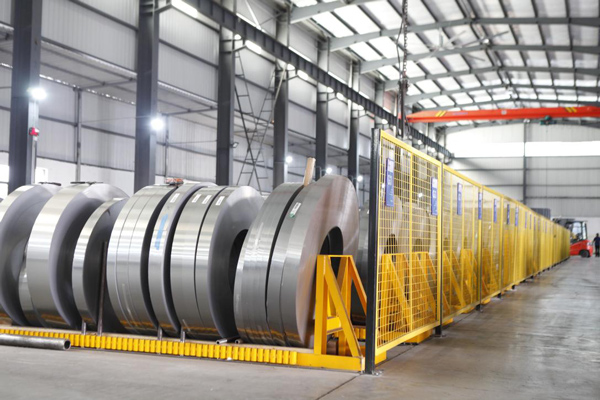
The core drivers of high-end transformation include technological breakthroughs, policy support, and upgraded market demand. At the technological level, domestic enterprises have increased their high-end product capacity through intelligent equipment upgrades and process optimization. For example, Taiyuan Iron & Steel Group launched new oriented electrical silicon steel and cold-rolled non-oriented silicon steel products in December 2025, and released its exclusive brand “TISCORE,” marking progress in the technological independence and widespread application of domestically produced high-end silicon steel. Meanwhile, Baosteel, Shougang Group, and other enterprises have strengthened their supply capacity of high-grade non-oriented silicon steel by building dedicated production lines for silicon steel used in new energy vehicles. In terms of policy, China’s high-quality modernization requires the promotion of equipment upgrades and product improvements to meet energy conservation and emission reduction targets. On the demand side, new energy and high-end manufacturing are the main drivers. The demand for high-performance, thin-gauge (e.g., below 0.2 mm), and low-loss silicon steel sheets is surging in fields such as photovoltaics, wind power, energy storage, and new energy vehicles. It is estimated that the new energy sector will contribute more than 40% of the industry’s total demand in the next three years.
The product structure continues to optimize, with a significant increase in the proportion of high-end products. Data shows that from 2016 to 2024, China’s silicon steel production increased from 8.65 million tons to 16.1 million tons, with a marked rise in the proportion of high-grade silicon steel: the proportion of grain-oriented silicon steel increased from 13.0% to 18.3%, and the proportion of high-grade and high-efficiency non-oriented silicon steel increased from 18.9% to 31.2%. In 2024, net exports of silicon steel exceeded 1 million tons for the first time, with an average export price of US$1,364 per ton, US$108 per ton higher than the average import price, reflecting enhanced international competitiveness. Regarding technological barriers, due to the longer process flow and more control points, the price and demand elasticity of high-end products such as high-magnetic-induction grain-oriented silicon steel (Hi-B) are higher than those of non-oriented silicon steel, further driving the industry towards high value-added areas.
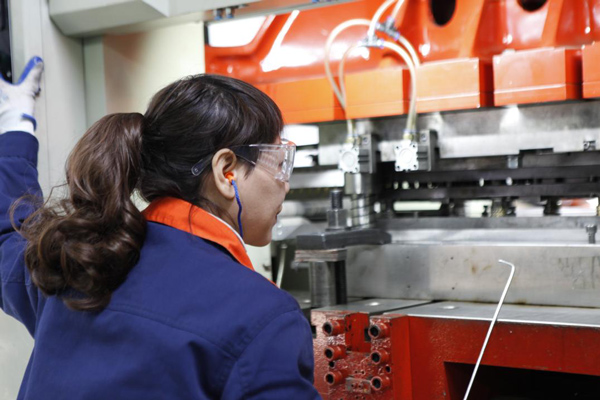
The transformation towards high-end products faces challenges of overcapacity and intensified competition, but these can be mitigated through differentiation strategies. Although more than half of the existing capacity was built after 2010 and has advanced equipment, some areas, such as non-oriented silicon steel, may experience overcapacity. Companies are achieving differentiation by focusing on thin-gauge, high-strength products (such as the 0.1mm thick silicon steel produced by Hunan Lianggong, used in drones and humanoid robots). Simultaneously, downstream users are extending their reach to the material end (such as Chongqing Wangbian Electric integrating the entire chain from oriented silicon steel to transformers), strengthening supply chain synergy. In the future, with the construction of new energy infrastructure and the upgrading of cross-border power grids (cross-border transmission capacity is expected to increase by 64 million kilowatts by 2030), the demand for high-end silicon steel is expected to continue to grow. However, sustainable competitiveness needs to be consolidated through green processes (such as acid-free pickling technology) and intelligent production.